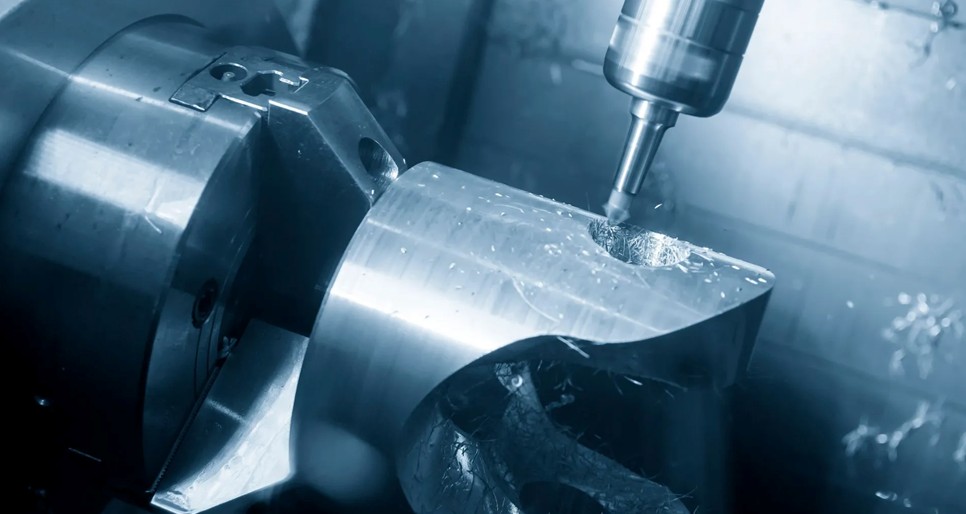
Key Benefits and Applications in the Modern Manufacturing Landscape
Introduction
- Brief overview of CNC manufacturing.
- Importance of understanding CNC in the context of modern manufacturing.
What is CNC Manufacturing?
- Definition of CNC (Computer Numerical Control) manufacturing.
- Explanation of how CNC machines work: using pre-programmed software to control machinery and tools.
- Overview of the types of machines used in CNC (e.g., lathes, mills, routers).
Key Benefits of CNC Manufacturing
- Precision and Accuracy
- Detailed explanation of how CNC machines achieve high precision.
- Examples of industries where precision is critical (e.g., aerospace, automotive etc…).
- Efficiency and Productivity
- How CNC machines streamline the manufacturing process.
- Ability to operate continuously with minimal human intervention.
- Impact on production speed and output.
- Versatility and Flexibility
- CNC machines’ ability to handle a wide range of materials and complex designs.
- Quick changeovers between different product designs or specifications.
- Customization capabilities for small and large-scale production runs.
- Cost-Effectiveness of CNC Manufacturing
- Initial investment vs. long-term savings (e.g., reduced labor costs, minimized material waste).
- How CNC reduces errors and rework, leading to cost savings.
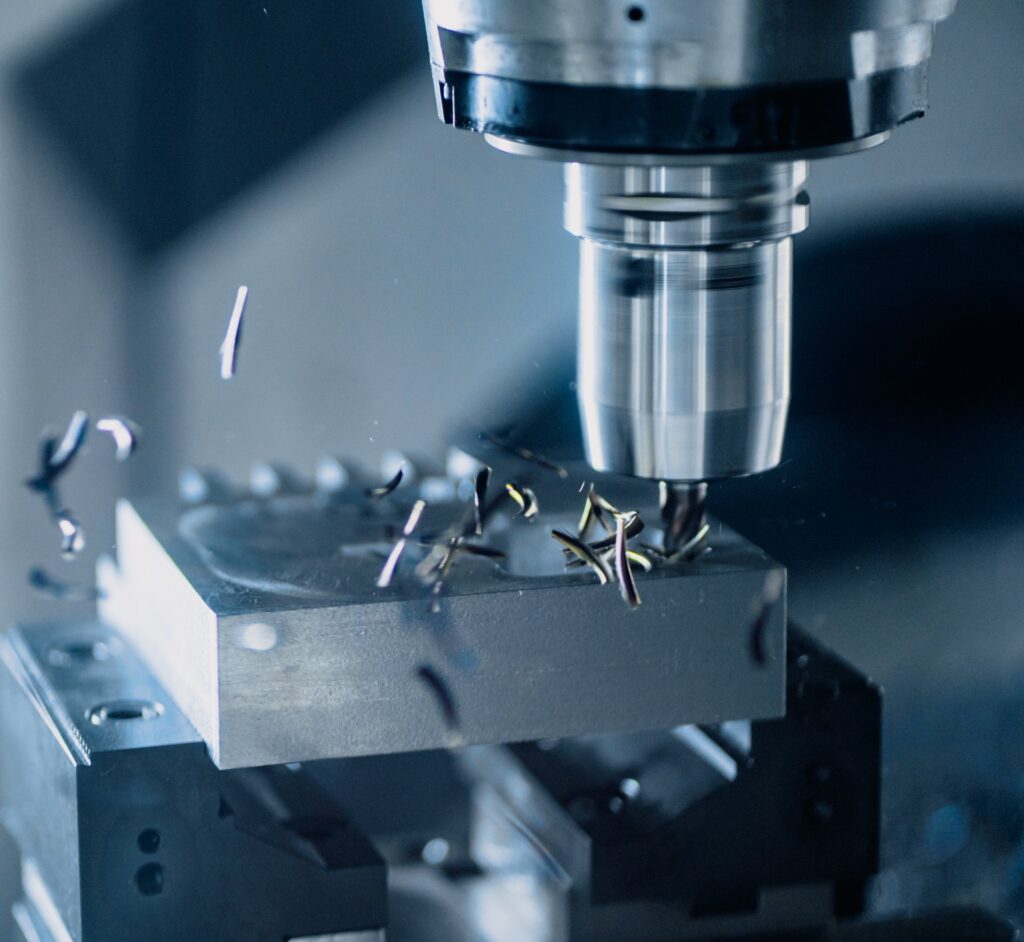
Applications of CNC Manufacturing in Different Industries
- Automotive Industry
- Use of CNC for precision parts and components.
- Role in prototyping and mass production of vehicle parts.
- Aerospace Industry
- Importance of CNC in creating high-precision, lightweight components.
- Examples of aerospace applications (e.g., turbine blades, structural components).
- Defense Industry
- CNC’s role in manufacturing critical components for defense equipment.
- Examples include parts for military vehicles, weapons systems, and aircraft.
- Oil and Gas Industry
- Application of CNC in producing components for drilling rigs, pipelines, and other oil and gas equipment.
- Focus on the need for durability and precision in harsh environments.
Future Trends in CNC Manufacturing
- Emerging technologies and innovations in CNC, such as 5-axis machining and automation.
- The growing role of CNC in Industry 4.0 and smart manufacturing.
Conclusion
- Recap of what CNC manufacturing is and why it’s essential in modern manufacturing.
- CTA
