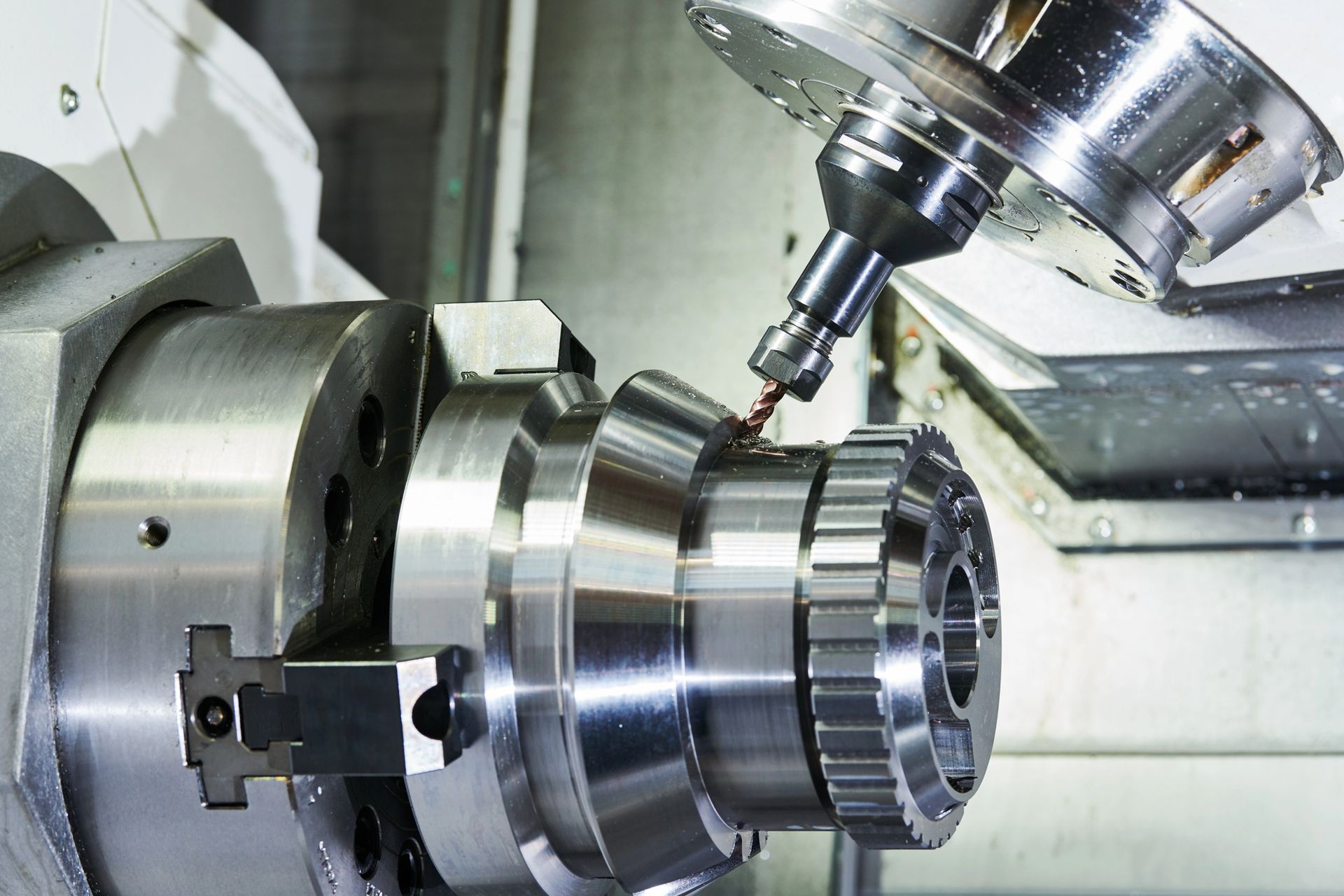
The Role of CNC Machining in Aerospace Manufacturing: Precision and Innovation
Introduction
- Brief introduction to aerospace manufacturing and the critical need for precision.
- Overview of the role of CNC machining in ensuring high-quality aerospace components.
- Introduction to key points that will be covered: precision, innovation, and industry impact.
Understanding CNC Machining in Aerospace Manufacturing
- How CNC machining is applied in the aerospace industry: milling, turning, drilling, etc.
- Importance of CNC in creating complex geometries and maintaining tight tolerances.
- Overview of materials commonly used in aerospace CNC machining (e.g., titanium, aluminum alloys, composites).
Precision in Aerospace Manufacturing with CNC Machining
- Importance of Precision in Aerospace Components
- Discuss the critical need for precision in aerospace components due to safety and performance requirements.
- Examples of parts where precision is paramount (e.g., turbine blades, structural components, engine parts).
- CNC Machining Techniques for Achieving Precision
- Explanation of how CNC machines achieve high precision through computer-controlled movements.
- Importance of maintaining tight tolerances and repeatability in production.
- Quality Control and Inspection in CNC Machining
- Discuss the role of quality control in aerospace CNC machining.
- Use of advanced inspection techniques like CMM (Coordinate Measuring Machines) to ensure precision.
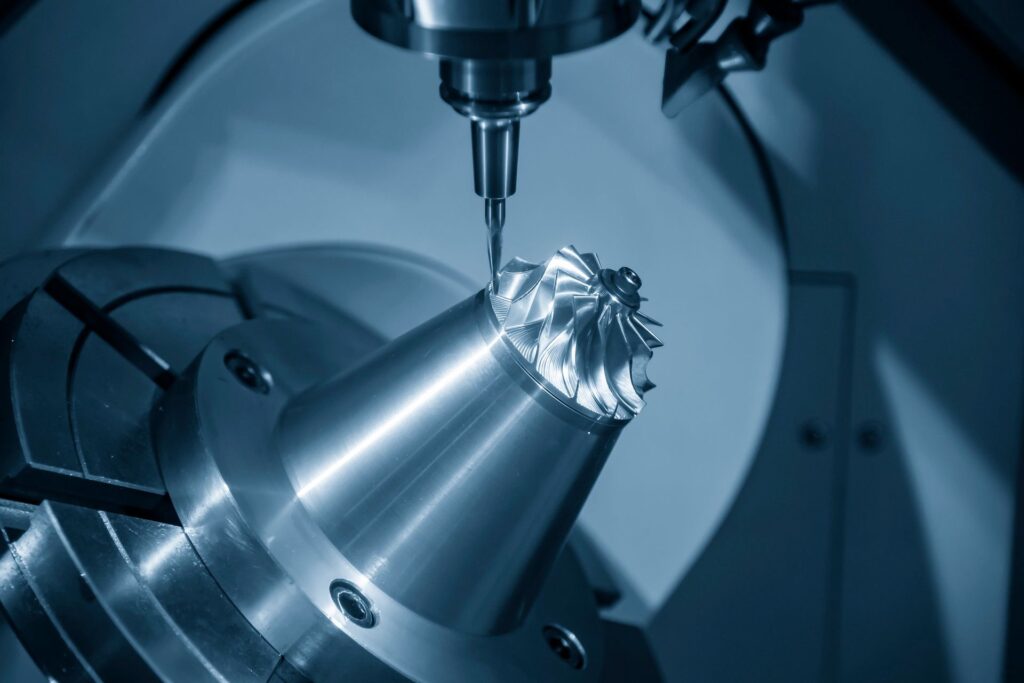
Innovation in Aerospace Manufacturing through CNC Machining
- Advancements in CNC Technology
- Overview of recent technological advancements in CNC machining (e.g., 5-axis machining, multi-tasking machines).
- Impact of these innovations on the aerospace industry’s ability to produce more complex and efficient components.
- Integration of CNC Machining with Automation and Robotics
- How automation and robotics are being integrated with CNC machining to enhance productivity and precision.
- Examples of smart manufacturing systems in aerospace production.
- Role of CNC Machining in Developing New Aerospace Materials
- CNC machining’s ability to work with advanced materials like carbon composites and superalloys.
- How this capability is driving innovation in lightweight and high-strength aerospace components.
- The Future of CNC Machining in Aerospace Manufacturing
- Exploration of emerging trends such as additive manufacturing combined with CNC.
- Predictions for how CNC technology will continue to evolve, including increased automation and AI integration.
- The potential impact of these developments on the aerospace industry’s ability to innovate and compete globally.
Conclusion
- Recap of the vital role CNC machining plays in aerospace manufacturing, focusing on precision and innovation.
- Summary of how CNC machining has advanced the industry and continues to drive future developments.
- CTA
