Industry 4.0 Explained: How Data-Driven Manufacturing is Shaping the Future of Production
Defining Industry
- Historical Context: Quick timeline from Industry 1.0 to 4.0.
- Core Components: IoT, big data, AI, robotics, and advanced analytics.
- Global Impact: Short mention of how Industry 4.0 is shaping global manufacturing and trade.
Key Technologies Driving Industry 4.0
- IoT and IIoT: How sensors and connectivity enable real-time monitoring.
- AI and Machine Learning: Predictive modeling, anomaly detection.
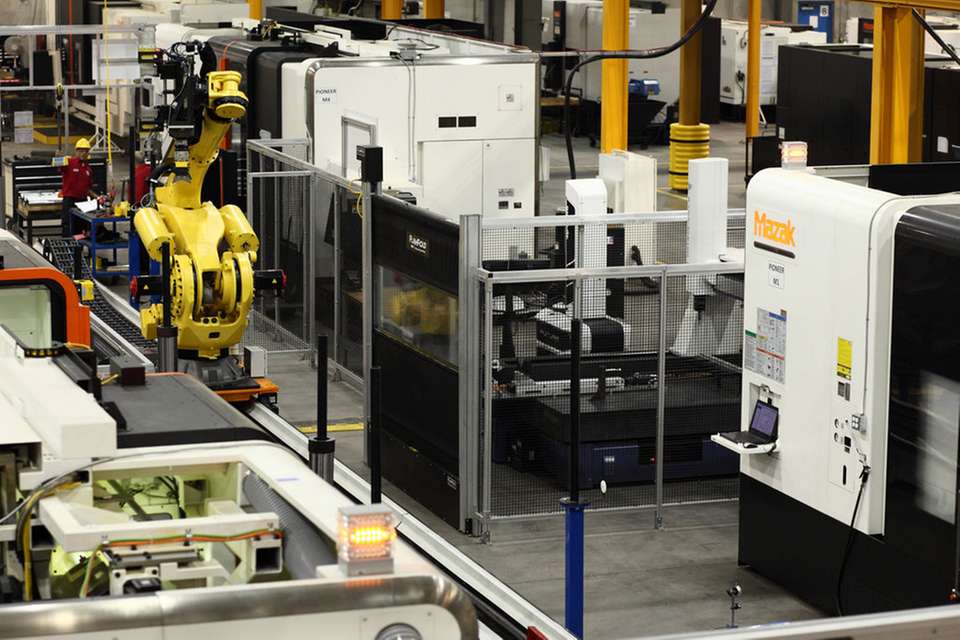
- Automation and Robotics: Merging hardware and software for autonomous operations.
- Cloud and Edge Computing: Managing and processing data efficiently.
- Digital Twins: Simulating production environments to optimize processes.
Implementation Strategies
- Assessing Current State: Conducting digital maturity assessments.
- Building a Roadmap: Identifying pilot projects, setting KPIs, scaling up.
- Change Management: Upskilling the workforce and fostering a culture of innovation.
- Budgeting and ROI Considerations: Aligning investments with long-term value.
Challenges and Risks
- Cost and Scalability: Balancing short-term costs with long-term gains.
- Data Security: Keeping networks safe from cyber threats.
- Integration Issues: Ensuring legacy systems can connect with new tech.
- Regulatory Compliance: Navigating data privacy and industry-specific regulations.
Success Stories and Use Cases
- Real-World Examples: Highlight businesses adopting Industry 4.0 solutions.
- Quantifiable Outcomes: Improvements in OEE (Overall Equipment Effectiveness), reduced downtime, and increased productivity.
Future Outlook of Industry 4.0
- Advancements on the Horizon: 5G networks, next-gen robotics, advanced AI.
- Global Trends: How economies and supply chains might evolve.
- Long-Term Vision: Continuous improvement, sustainability, and scalability.
