Precision CNC Machining 101: Key Principles, Processes, and Best Practices
Defining Precision CNC Machining
- Basic Terminology: CNC (Computer Numerical Control), axis definitions, subtractive manufacturing.
- Historical Perspective: Short overview of how CNC evolved from manual machining.
- Relevance Today: Industries that rely heavily on precision (aerospace, oil & gas, automotive).
Core Components of a CNC System
- Hardware Elements: Machine tool, spindle, axes, control panel.
- Software & Programming: CAD/CAM software, G-code, M-code basics.
- Tools & Toolholders: Types of cutters (end mills, drills, lathes) and their impact on precision.
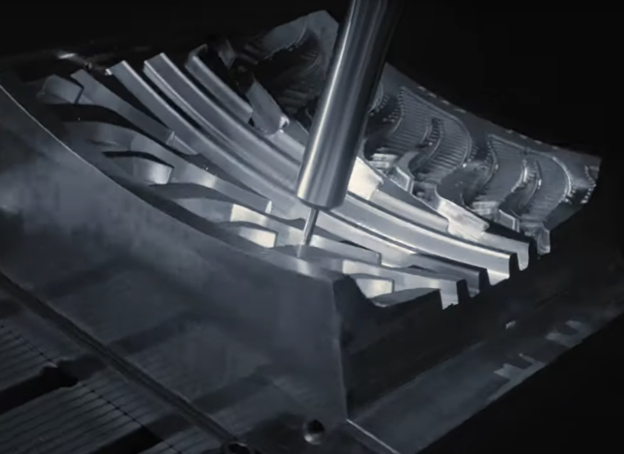
CNC Machining Processes
- Milling: Common operations (face milling, peripheral milling) and when to use them.
- Turning: Key concepts like threading, grooving, and contour turning.
- Drilling & Boring: How precision drilling compares to other machining operations.
- Additional Processes: EDM, grinding, and how they fit into a CNC shop.
Key Benefits of Precision CNC
- Accuracy & Consistency: Achieving tight tolerances across multiple runs.
- Efficiency & Scalability: How CNC reduces production time and handles mass production.
- Versatility: Materials (metals, plastics, composites) that can be machined.
- Reduced Human Error: Importance of proper programming and minimal manual intervention.
Challenges & Limitations
- Initial Investment: Machines, software, and skilled operator costs.
- Complexity: Need for specialized CAD/CAM training.
- Maintenance Requirements: Machine calibration, tool wear, and regular upkeep..
Future Trends in Precision CNC
- Digital Integration: IoT sensors, real-time monitoring, predictive maintenance.
- AI and Machine Learning: Potential for adaptive machining processes.
- Sustainability and New Materials: Focus on energy-efficient machining and biodegradable materials.
